Event Recap Examples: What a Strong One Actually Looks Like
Sam
Content Writer, Speechbox
Event Recap Examples: What a Strong One Actually Looks Like
Short answer: a strong event recap example is not the most cinematic one. It is the one that got found, got reshared by the people who were in the room, and shipped while the event was still being talked about. Most examples you find online are selected for production polish, which is the wrong variable to copy. What follows is what actually separates a strong example from a forgettable one, plus the anatomy of one built to do the job.
This is for event organizers and content producers who searched for examples to model their own recap on, and want to copy the right thing rather than the prettiest thing.
What people mean by an event recap example
Recap examples come in the same four forms a recap itself does. A written summary or blog post. A highlight video. A set of social posts and clips. A navigable archive of the full sessions. When someone looks for an example, they are usually trying to answer one question: what does a good one look like so I can copy the structure.
The trap is that the examples easiest to find are not the ones worth copying.
Why most of the examples you find are the wrong model
The examples that surface in a search are selected by who publishes them, not by whether they worked. Videography studios publish their most cinematic showreels and label them examples, because polish is the thing they sell. Template sites publish clean mockups, because the design is their product. Both optimize for how the recap looks in a thumbnail.
A recap is not judged by how it looks in a thumbnail. It is judged by whether it did a job. Did the event get found by people who were not there. Did the speakers and sponsors reshare it from their own accounts. Did it ship while the room was still posting, or two weeks later into an empty feed. None of that is visible in a glossy reel, which is exactly why the glossy reel is the wrong example to copy.
The honest tell is the timestamp. A beautiful highlight film posted three weeks after the event is a portfolio piece for the studio that made it. It is not evidence the recap did anything for the event.
What a strong event recap example actually contains
Across written, video, and social, the strong examples share the same five traits. The format changes, the traits do not.
Opens on the moment, not the agenda
The strong example leads with the single thing people will remember, the announcement or the line that landed. The weak one opens with a thank-you and a chronological list of what happened.
Specifics with names and numbers
Real figures and named people saying real lines. A recap full of generic praise reads like a card and gets treated like one. A recap with a named person and a number gets quoted.
Shipped inside the window
The strong example went out the same evening or the next day, while the room was still posting. Delivery speed is part of the example, even though it never shows up in the visuals.
Reshareable by the people in it
A clip per speaker, a quote card per winner, every name tagged. The strong example is built so the people in the room have something to push from their own accounts.
Navigable, not a passive upload
A way to jump to a specific moment, topic markers, a searchable archive. The weak example is a 90 minute video nobody scrubs. The strong one lets a viewer find the 40 seconds they came for.
A worked example, the weak version against the strong one
Take a generic two-hour industry awards evening with sixteen speakers and twenty nominees as a teaching example, no real brand attached.
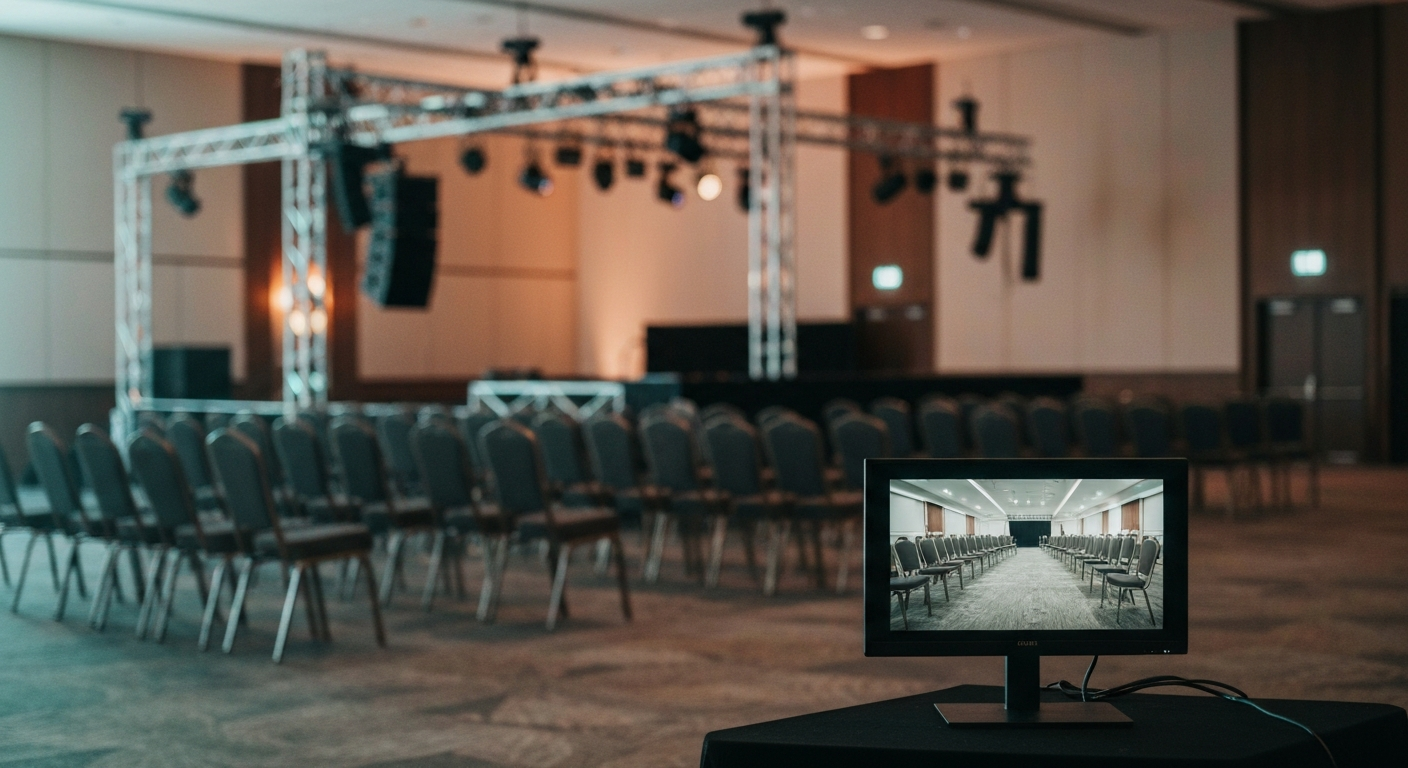
The weak recap, the one most events ship, is a single ninety-minute recording uploaded to an unlisted link, plus a thank-you post a week or two later. It is complete. It is also invisible. There is no way into the ninety minutes, the people who were on stage have nothing short enough to share, and by the time the post goes up the room has moved on to the next thing.
The strong recap from the same evening looks different. A two-minute highlight cut led by the biggest announcement of the night, posted the same evening. A quote card for each winner with the verbatim line they said on stage. A short written summary that opens on the moment, not the welcome. And the full ceremony made navigable, so a viewer jumps straight to a specific award instead of scrubbing a timeline. Same event, same footage. One version disappears, the other gets reshared by sixteen speakers and twenty nominees while the evening is still trending.
Weak example against strong example
The point is not that polish is bad. A clean edit helps. The point is that polish is the easiest trait to see and the least predictive of whether the recap worked, so it is the worst thing to select an example on.
How to judge any example before you copy it
When you find a recap you want to model, run it through four questions before you treat it as a template.
When did it ship
Look for the post date against the event date. If it landed more than a few days after, it missed the window, however good it looks.
Can you find a specific moment
Try to jump to one part. If the only option is to watch the whole thing, it is an archive, not a recap people use.
Would the people in it reshare it
Check whether there is a clip or a card per speaker. If there is nothing short and personal, the room had nothing to amplify.
Does it state outcomes or just vibes
A strong example names what was announced, who won, what changed. A weak one describes the atmosphere and stops there.
What the strong examples have in common underneath
Almost every recap example worth copying shares one hidden trait: it was produced from the event itself, not assembled weeks afterward. The reason the strong example shipped in the window, has a clip per speaker, and is navigable is that the cutting, the quote pulling, and the indexing happened from a live footage spine while the event ran, not in an editor queue the following week.
That is the part the visible examples never show, and the part that actually decides which group an example lands in. For the structure to fill, see the event recap template. For the video format specifically, see how to make an event recap video without waiting weeks. For the full picture of capturing, writing, and sharing one, see the event recap guide, and for the operating model underneath it, conference media infrastructure.
The takeaway
The examples that are easiest to find are selected for polish, and polish is the trait that least predicts whether a recap worked. Copy the example that shipped in the window, named real people, and gave the room something to reshare, even if it is less cinematic than the showreel next to it in the search results. A plain recap that got found and shared beats a beautiful one that landed in an empty feed, every time.

Related Terms
- Event Recap: How to Capture, Write, and Share Your Event
- How to Make an Event Recap Video Without Waiting Weeks
- Event Recap Template: The Structure That Actually Gets Read
- How Conferences Repurpose Session Content
- What Is Conference Media Infrastructure?
Related Questions
- What does a good event recap look like?
- What are examples of an event recap?
- How do you write a recap example for an event?
- What makes one event recap better than another?
- When should an event recap be published to be effective?
- What should an event recap video example include?
- How do you judge whether an event recap is any good?
- What is the difference between a polished recap and an effective one?
Want to see how this works on your footage?
Let's connect