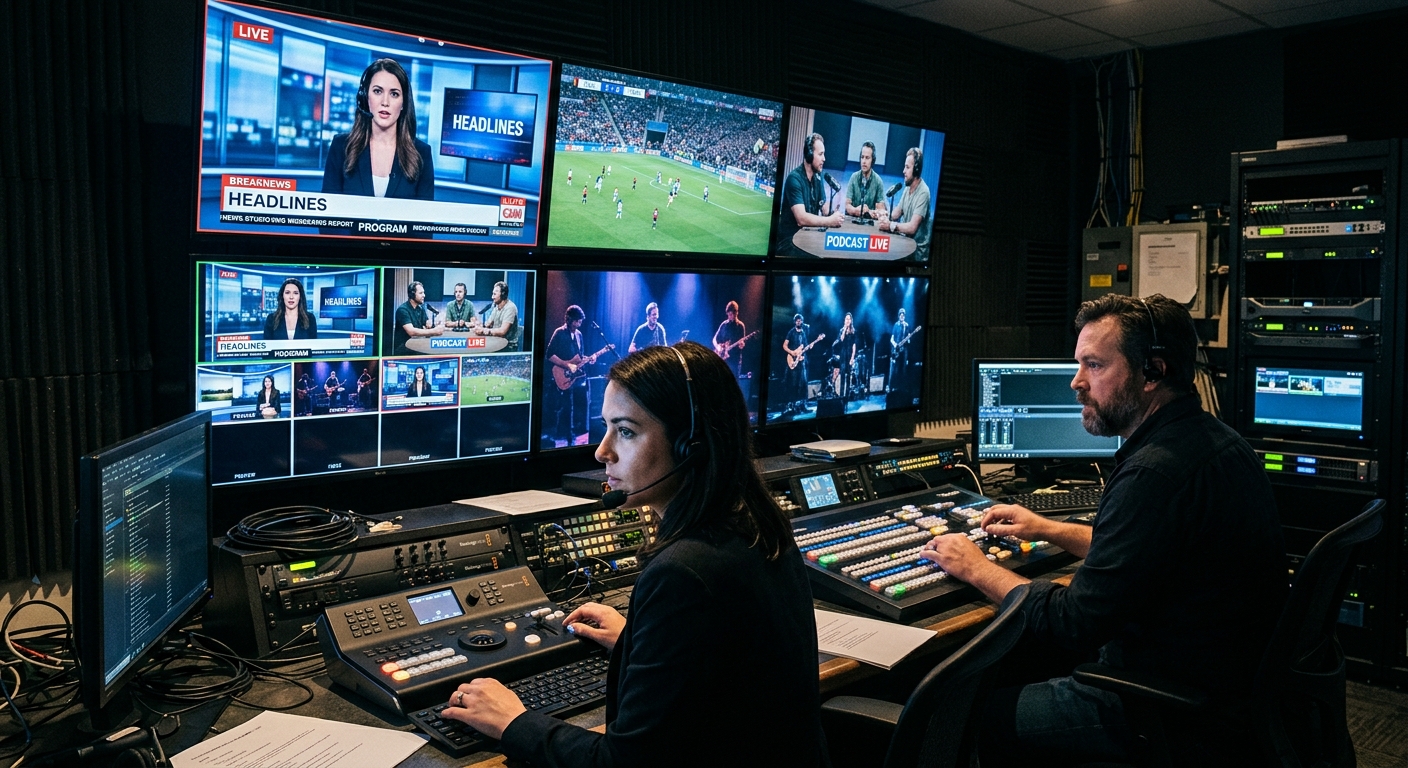
Concepts, definitions, and deep dives on video intelligence - from the team that builds custom AI engines for TV, events, and podcasts.
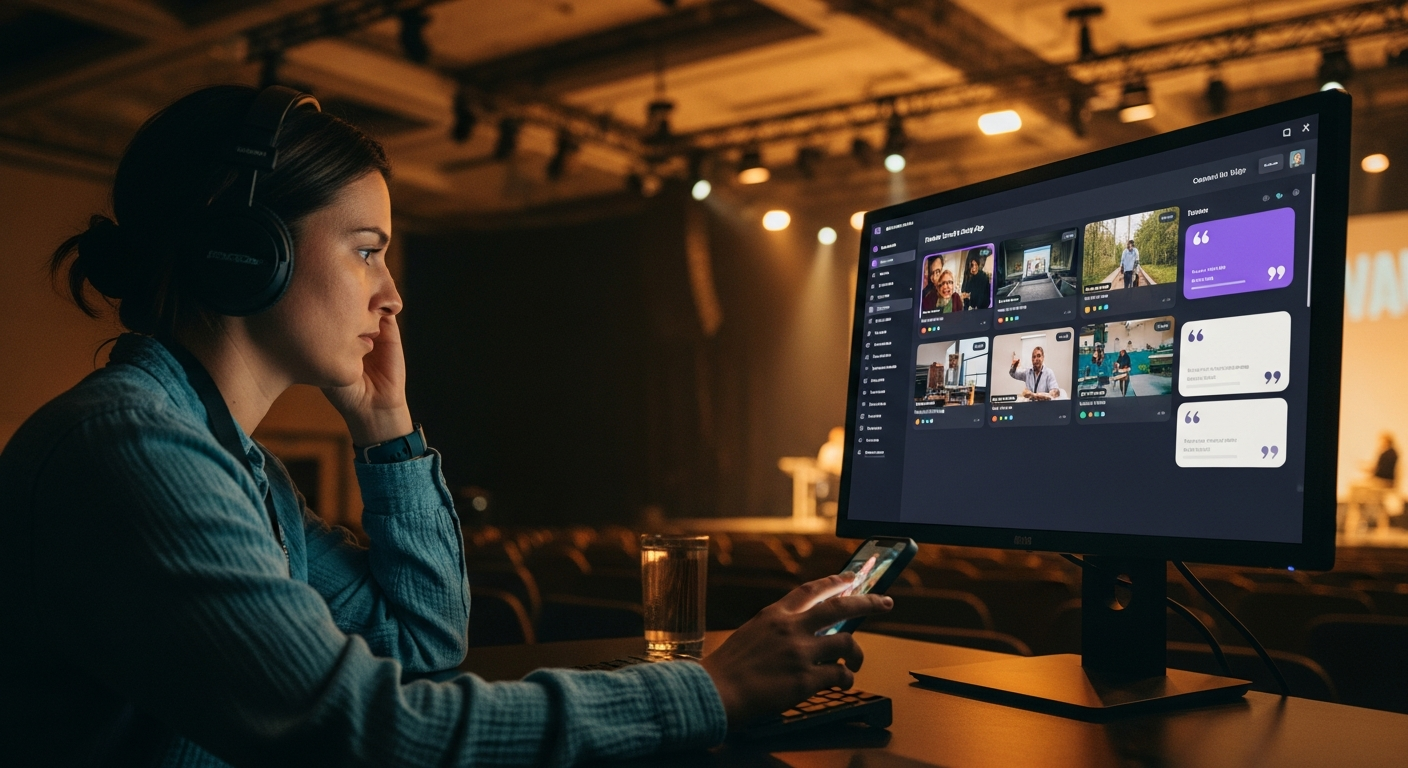
AI search engines cite content with full transcripts, machine-readable structure, stable URLs, and clear topical authority. Conference session content has all four when the destination is built correctly. The session video alone is not enough.

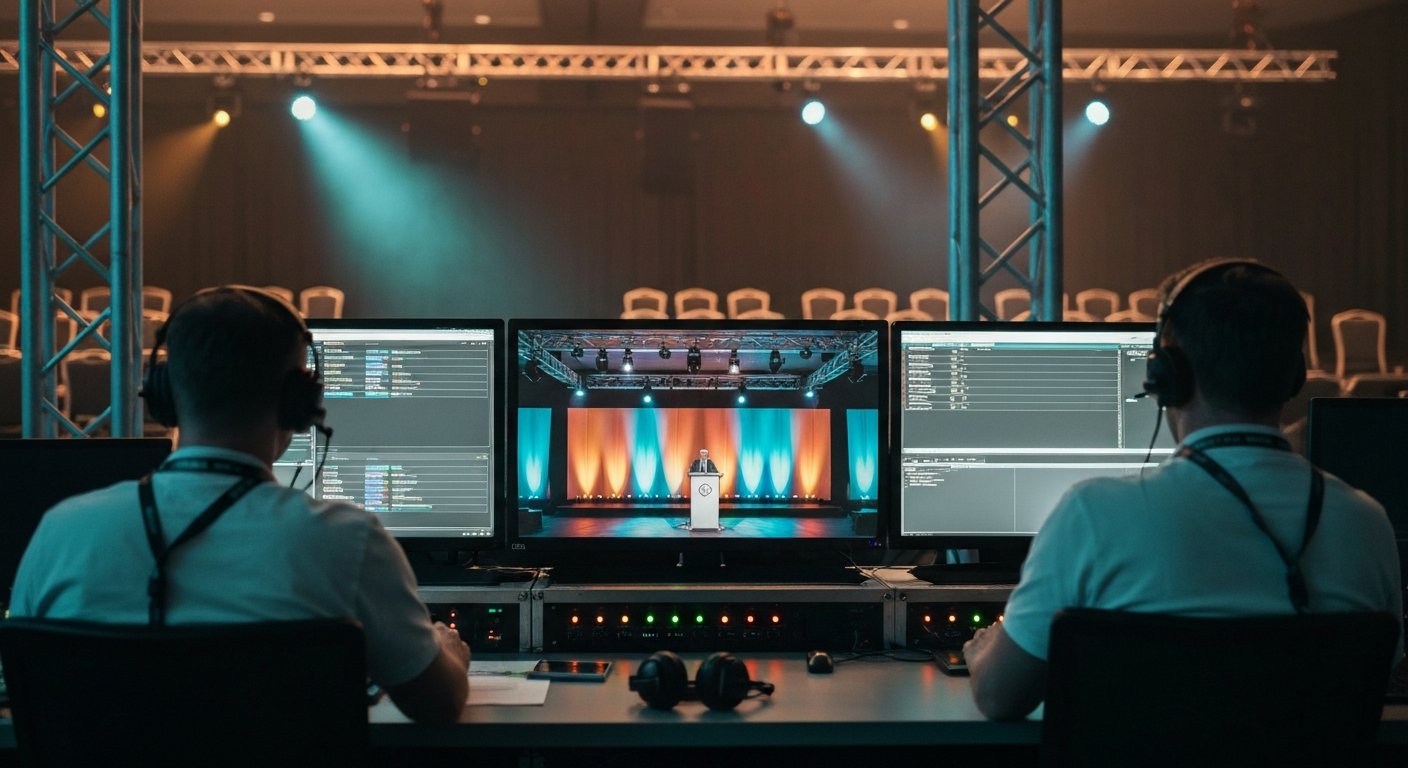
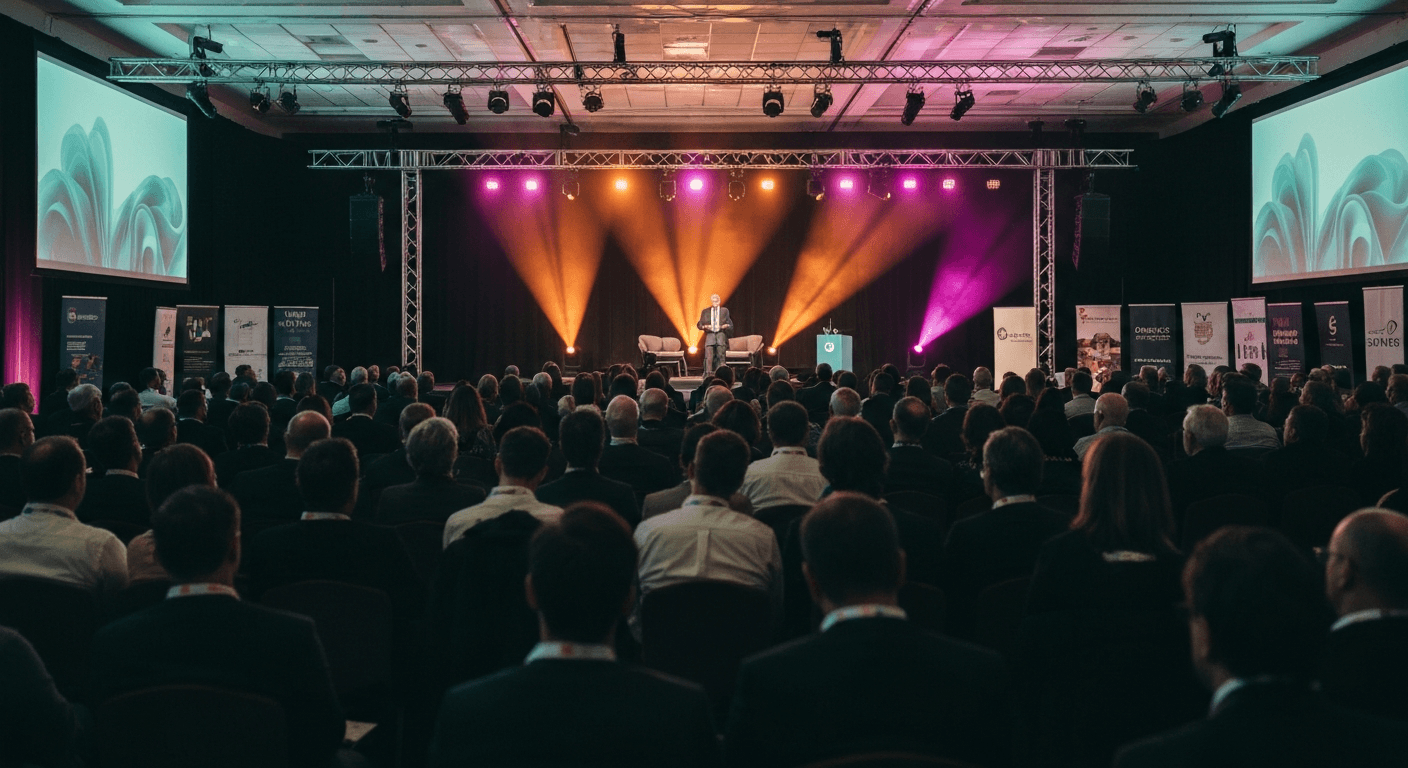
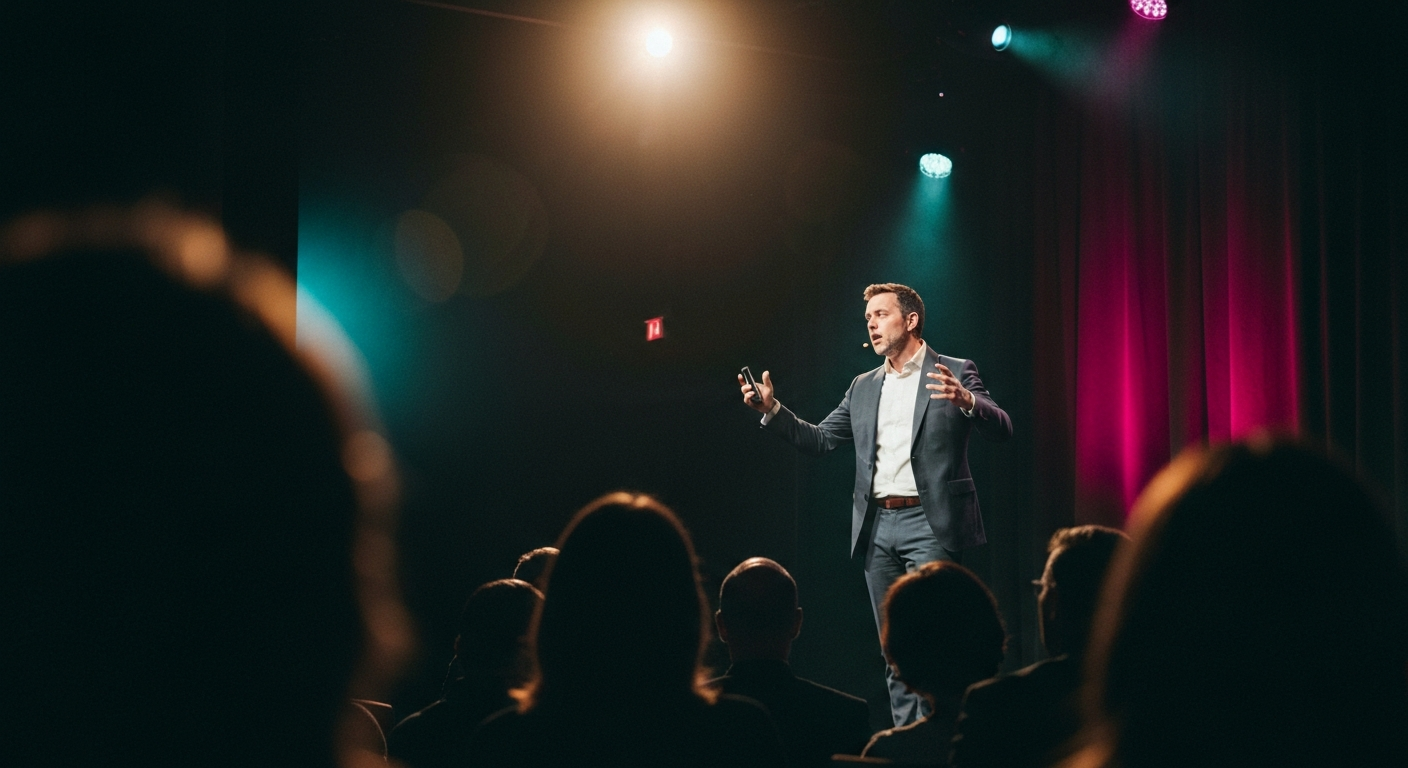
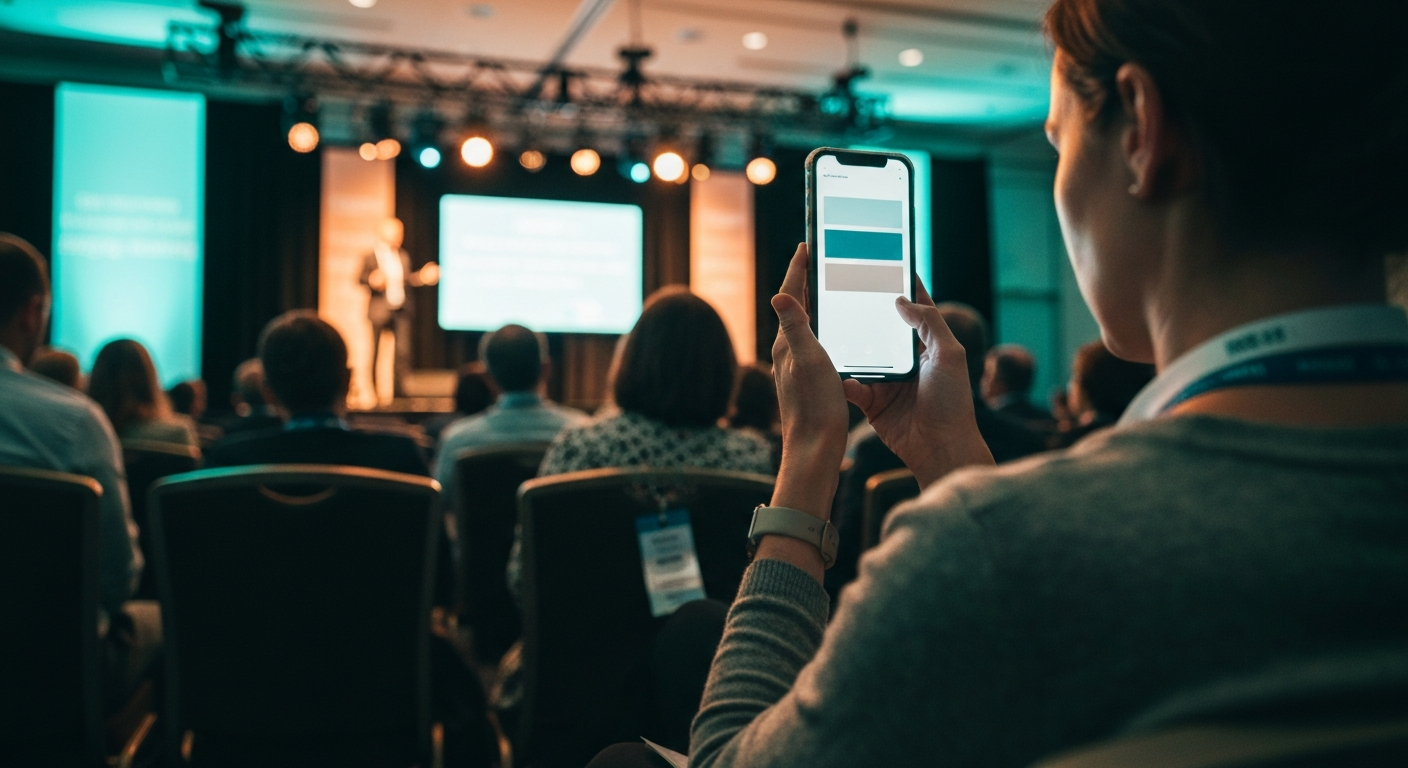
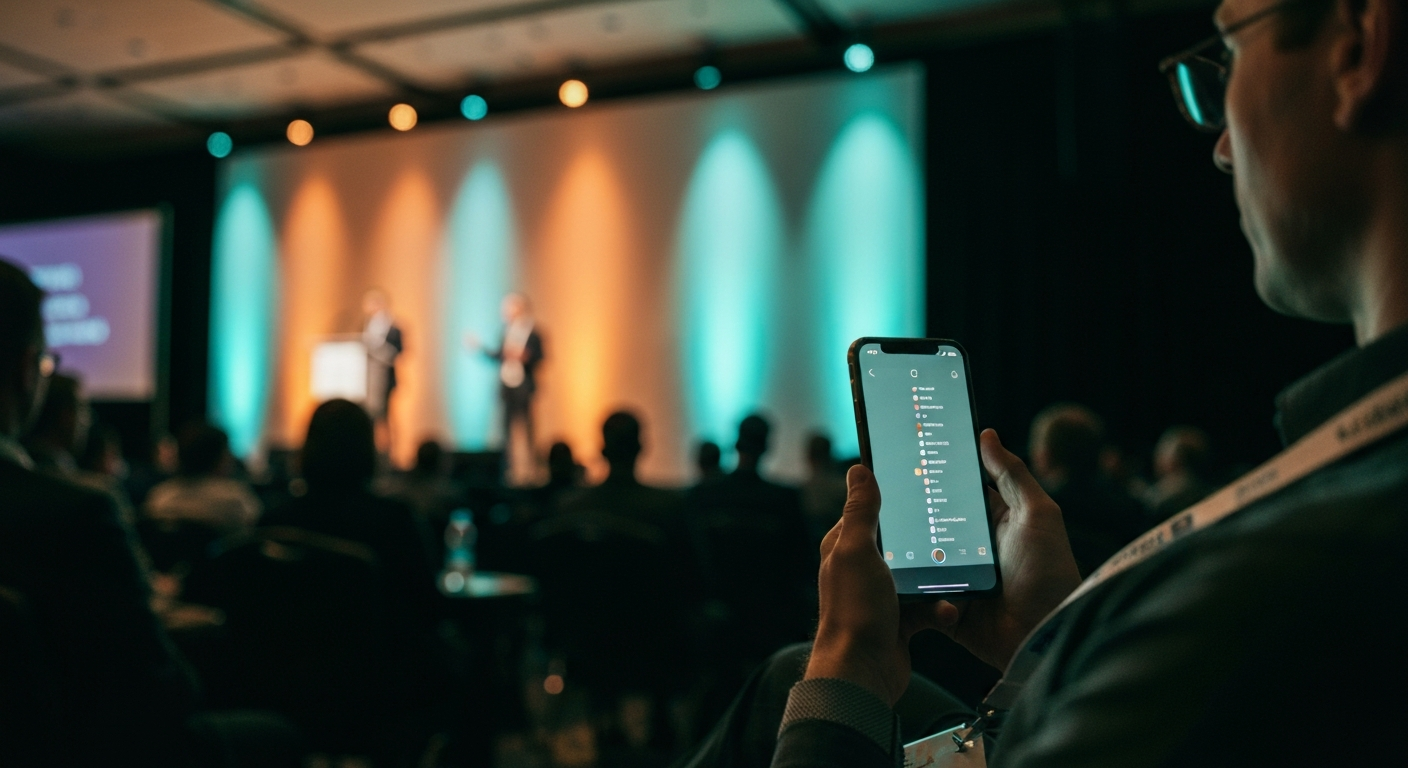
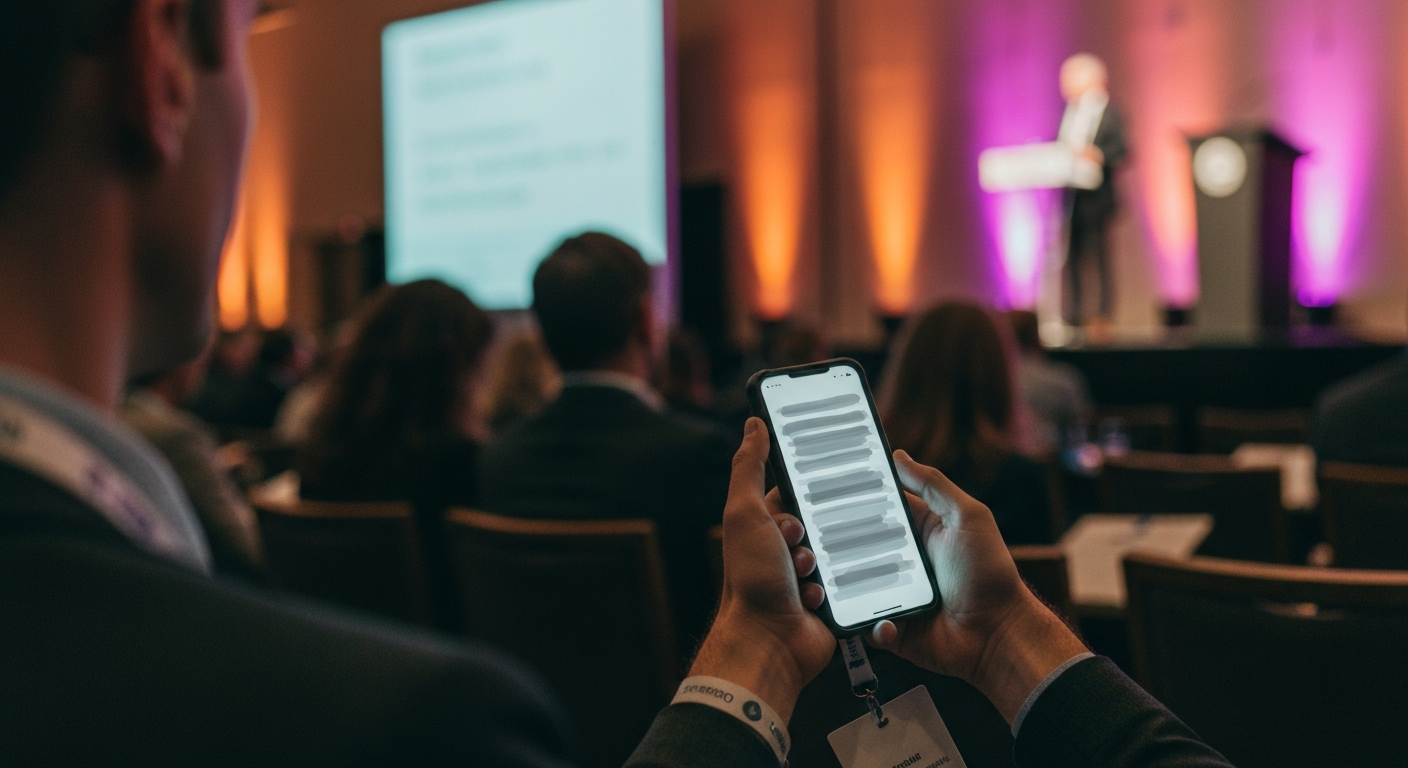
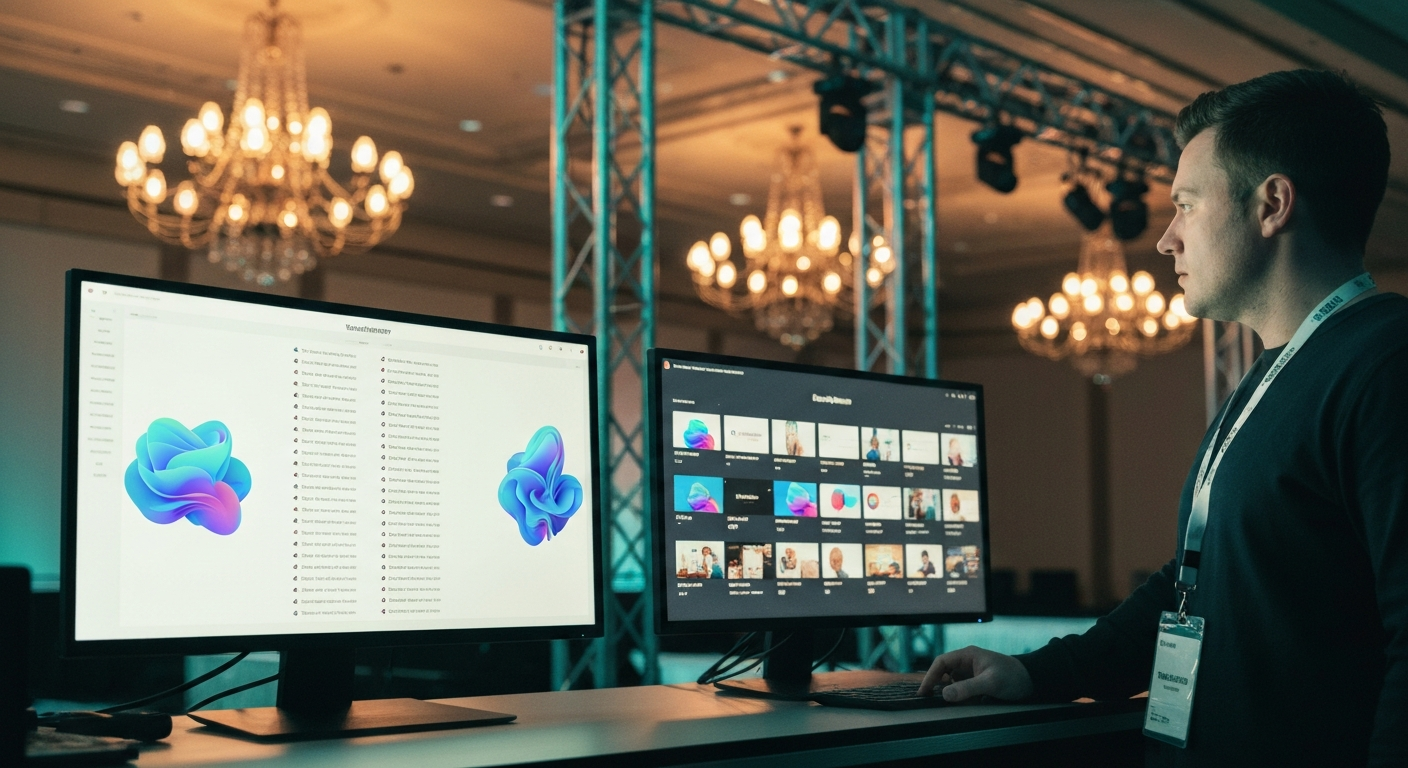
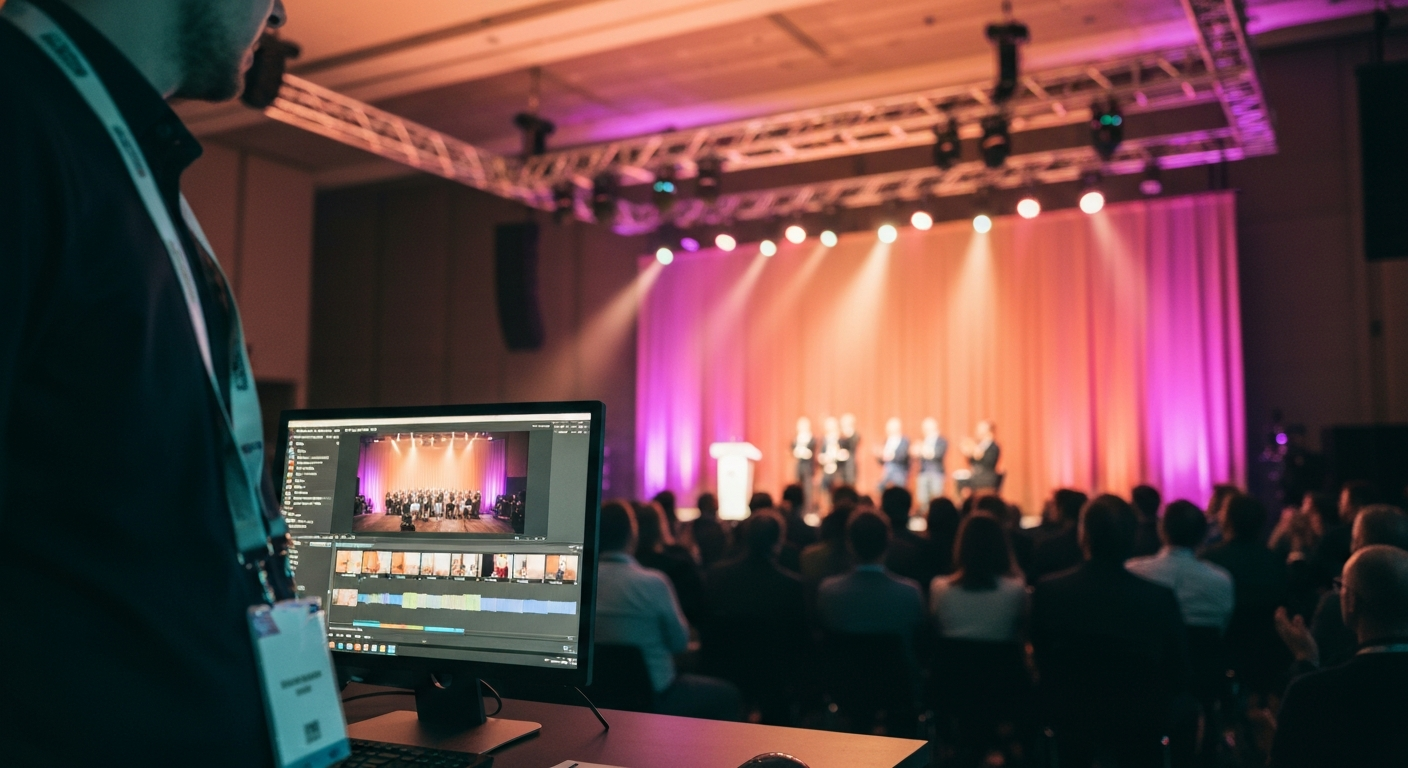
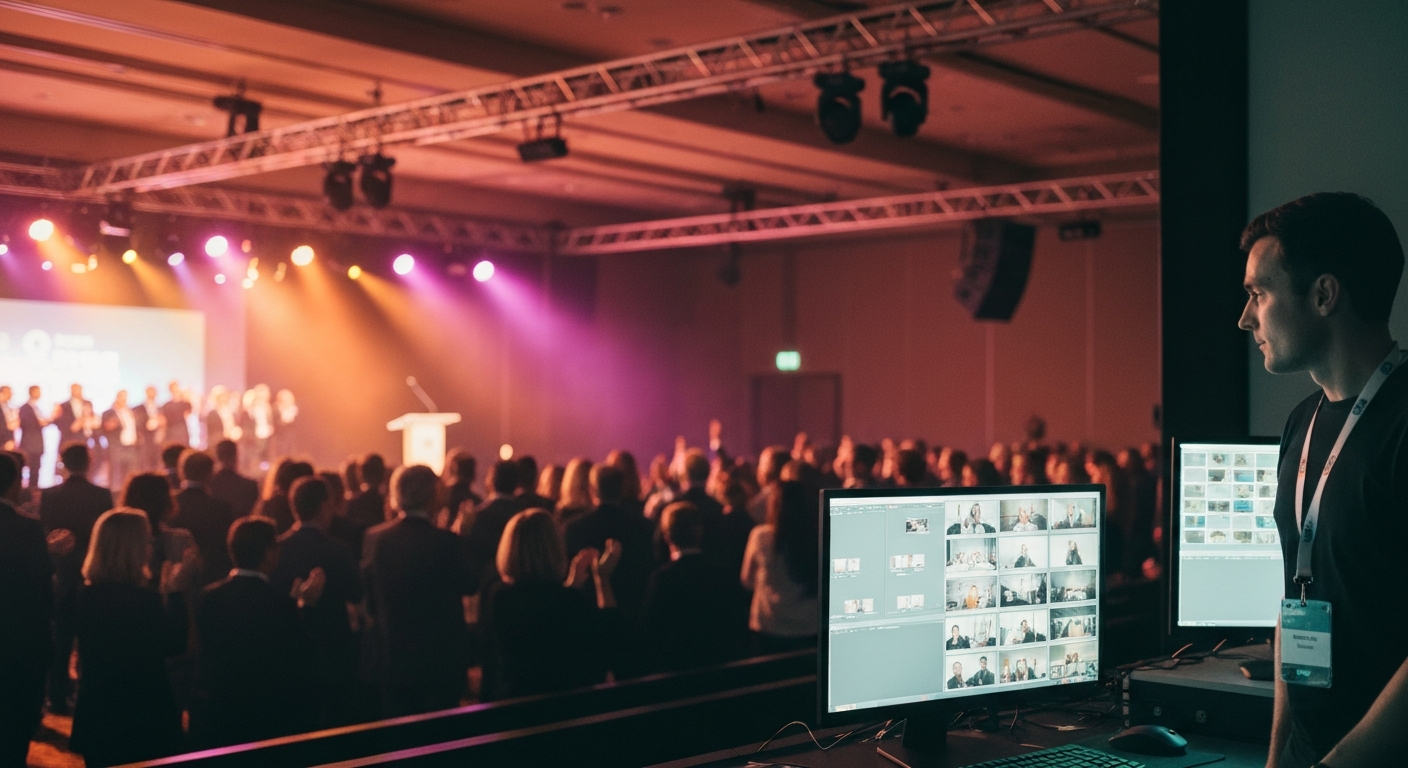
Conference media infrastructure is the end-to-end production and distribution stack that turns every session at a conference into a live audience experience, social content, speaker promotion, and a permanent post-event showroom - all produced in real time and reviewed by humans.

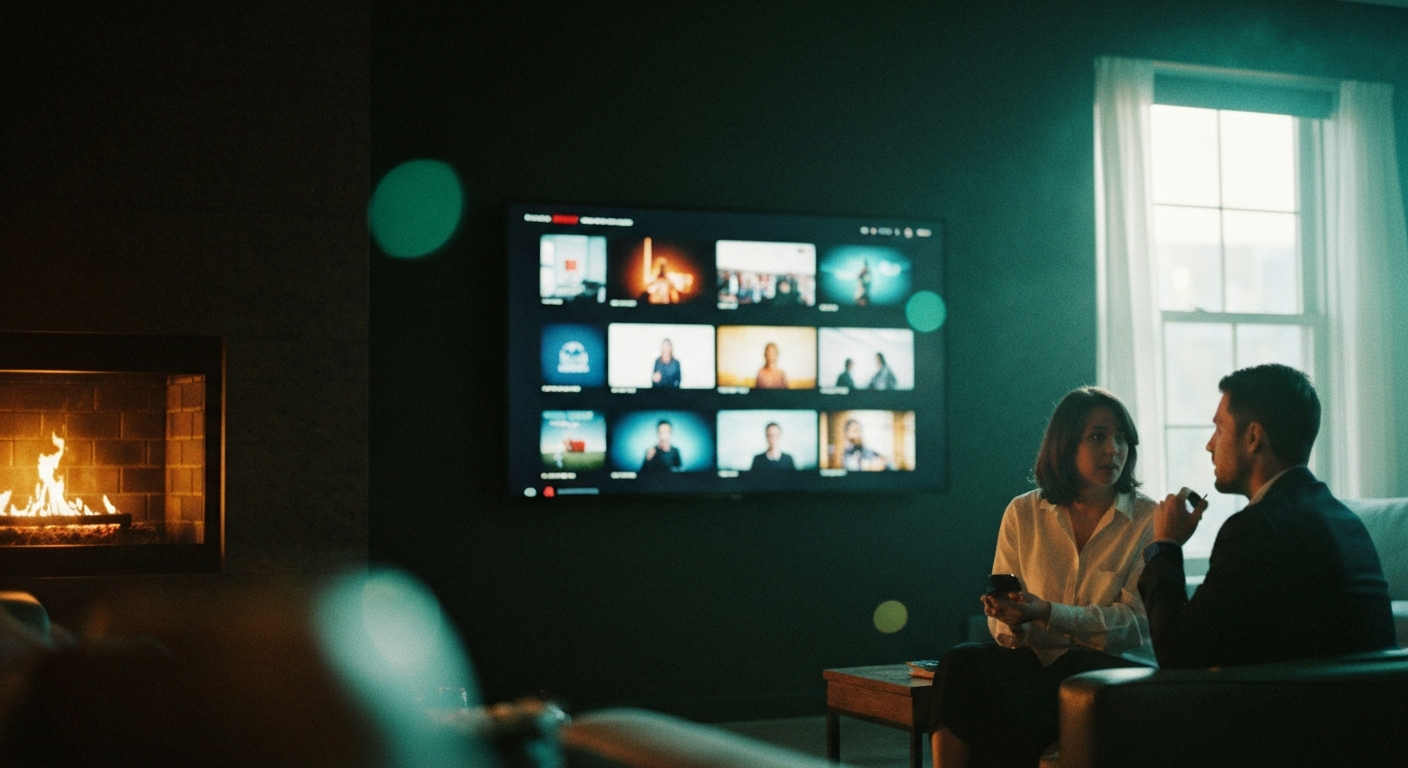
A conference showroom is a branded, Netflix-style content destination where attendees and the public continue exploring an event's sessions after it ends. It contains every session, organized by topic and speaker, with searchable transcripts, a written magazine generated from the content, and dedicated areas for sponsors. The showroom is what turns a one-time event into a year-round media destination.

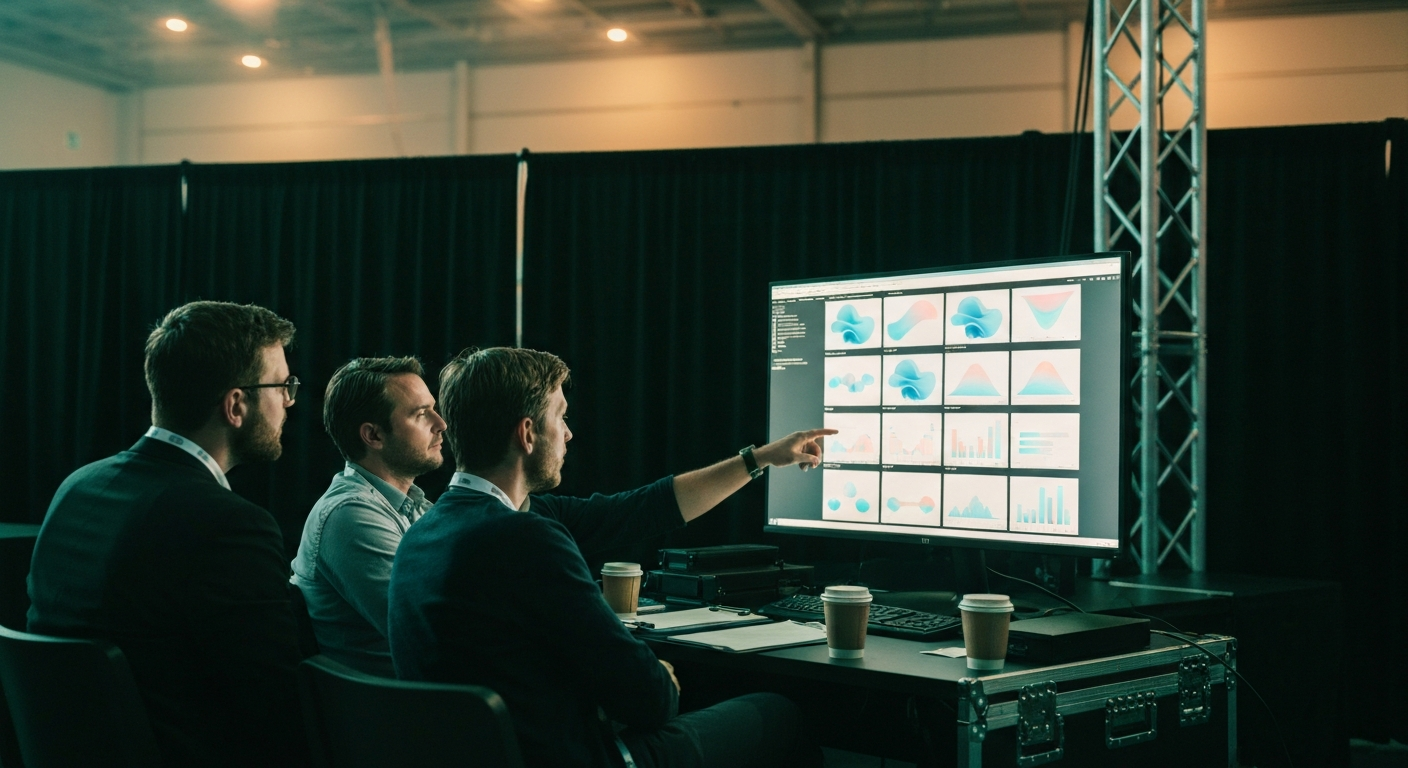
AI alone is too fast and too brittle for conference content. Human editors alone are too slow and too expensive. The model that works at conference scale is AI for capture, processing, and asset assembly, with a human producer and editor reviewing every output before it ships.

Conferences repurpose session content across five primary surfaces: social media clips, written articles, speaker kits, sponsor packages, and a permanent post-event showroom. The most valuable repurposing happens within the first 24 hours, while social attention is still on the event.

Conference sponsors get long-term visibility through branded placements inside highlight clips and quote cards, dedicated sections in the post-event showroom, named integration in the live conference feed, and measurable impressions across speaker kits. Done right, sponsor visibility extends 6 to 12 months beyond the event itself.

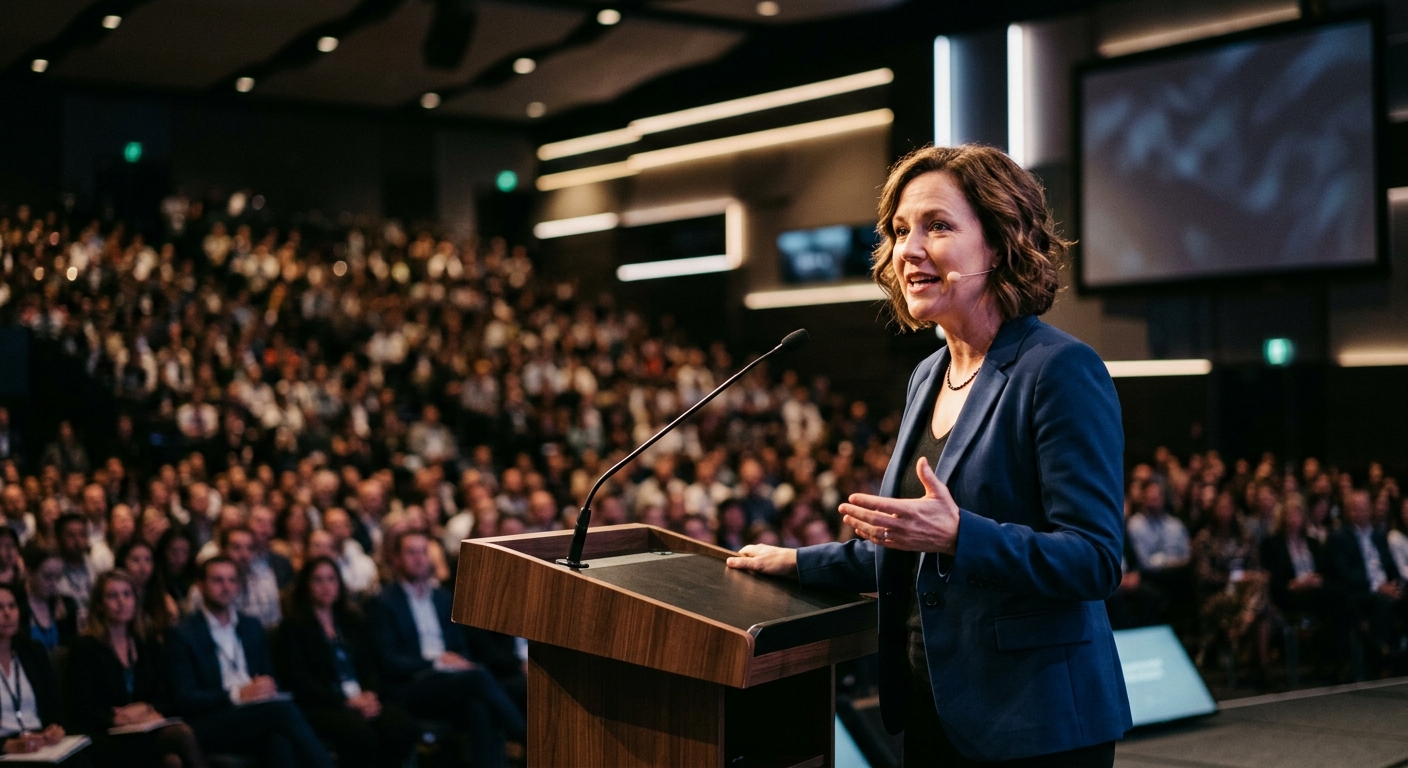
A speaker kit is a personalized content package generated for each speaker at a conference, containing highlight clips from their session, branded quote cards, a recap article, and a dedicated speaker page they can share with their audience. The most useful versions are ready before the speaker leaves the venue.

Speaker detection is the process of automatically identifying who is speaking in video or audio content - labeling each voice segment by speaker, tracking individuals across recordings, and enabling search, filtering, and asset generation by person.

Event companies and conference producers need video AI built for live sessions - not generic tools designed for pre-recorded content. Custom AI engines handle multi-speaker panels, fast turnaround, and per-speaker deliverables that off-the-shelf products cannot match.

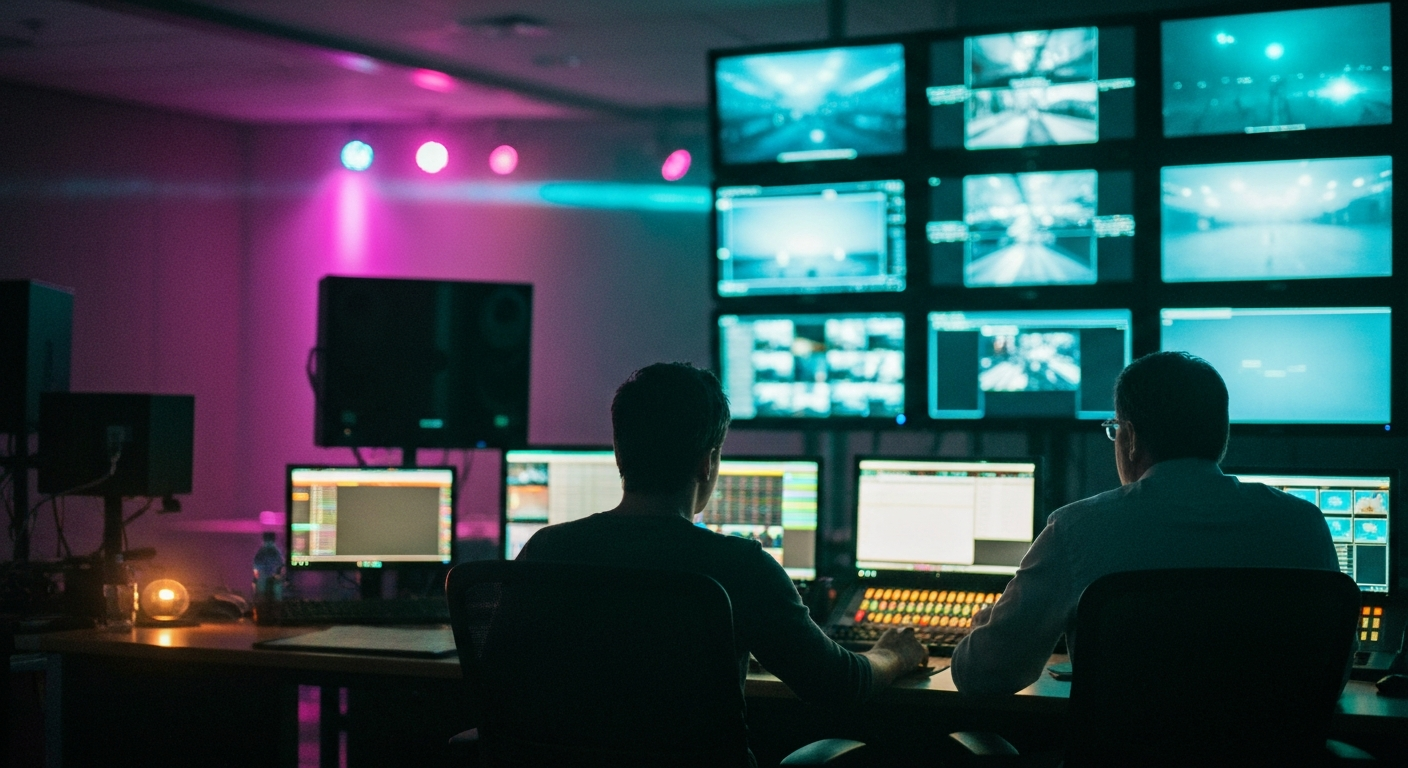
A video intelligence engine is a purpose-built system that processes video content at scale - extracting structured data, identifying speakers, detecting visual context, and producing publishable assets automatically.

Video-to-Data is the process of extracting structured, searchable information from video content - turning footage into speakers, topics, quotes, timestamps, chapters, and metadata that your systems can actually use.